The Quick Answer
True full-body wellness requires healthy circulation. Prioritizing your veins through proactive, preventive care doesn't just keep your legs looking great; it helps preserve your mobility, boost your energy, and slow or even stop the progression of vein disease.
Key Takeaways
- Healthy veins mean healthy circulation, which supports everything from organ function to skin appearance and mobility.
- Poor vein health (often due to chronic venous insufficiency, or CVI) leads to symptoms such as leg heaviness, fatigue, and swelling, which can hinder exercise and daily comfort.
- Integrating small, consistent habits like walking, elevation, and hydration provides major benefits for venous return and overall well-being.
- Scheduling a check-up with a vein specialist is a proactive step toward maintaining your long-term comfort and wellness.
How Vein Health Fits Into Your Overall Wellness Plan
When building a wellness plan, it’s easy to focus on diet, exercise, and mental health, while overlooking the system that powers them all: your vascular system.
Many people treat vein health as an afterthought, only paying attention when painful symptoms, chronic leg fatigue, or visible varicose veins appear. By waiting until a problem appears, you risk sabotaging your mobility, draining your daily energy, and making active living harder than it needs to be.
Let’s explore exactly how vein health deserves a spot at the top of your wellness plan, why prevention is your best defense, and how you can integrate vein-friendly habits into your daily life for a healthier you.

What Role Do Veins Play in Health and Wellness?
By integrating vein health into your wellness plan, you can improve not just your legs, but your whole-body energy, confidence, and comfort. Your veins play a central role in returning deoxygenated blood from your entire body back up to your heart and lungs.
Veins use a series of tiny valves to fight gravity and push blood upward. When this process, called venous return, is working smoothly, your organs are supported, and your cells can shed waste efficiently. When this process runs smoothly, it helps reduce chronic strain on your body.
When vein valves are weak or malfunction, blood can pool in your legs. This leads to uncomfortable symptoms such as leg aching or heaviness, noticeable swelling (edema), skin changes, and fatigue. Vein disease is more common than most people realize. You may be more susceptible to vein issues if any of the following potential risk factors apply:
- A family history of vein disease
- Prolonged sitting or standing at work
- A sedentary lifestyle
- Pregnancy or hormonal changes
- Excess weight
- Being over age 50
Could you be at risk for vein disease? Schedule Your Free Vein Evaluation
How Do Your Veins Affect How You Look and Feel?
Healthy veins are closely connected to key wellness pillars, such as getting enough exercise and movement, maintaining a healthy weight, and monitoring vein health symptoms through regular check-ups, all of which impact how you look and feel.
Here’s how good vein health can act as a springboard for other areas of well-being:
Circulation & Movement
Efficient circulation means your muscles get the fresh blood they need faster, reducing the risk of leg cramping and speeding up recovery. When blood pools in the legs due to poor vein health, your legs feel heavy and fatigued, making it much harder to start or maintain an exercise routine.
Weight & Metabolic Health
Maintaining a healthy weight is excellent for vein health, as excess weight increases pressure on the leg veins, making it harder for blood to flow upward. Conversely, when your veins are healthy, and your legs feel light, you are more motivated to move and burn calories, creating a wonderful, supportive cycle!

Skin & Appearance
When vein issues go unaddressed, blood pooling near the surface can cause skin discoloration, texture changes, and even ulcers in severe cases. Addressing underlying vein conditions, such as CVI, not only improves comfort but also dramatically improves skin integrity and overall leg appearance.
Cardiovascular & Systemic Health
Healthy veins ensure your entire cardiovascular system doesn't have to work overtime to manage fluid and blood volume. Supporting venous return benefits your heart health and whole body by reducing strain and improving overall systemic health.
Sufficient Sleep
When blood pools in the legs, it can cause leg cramping and restless legs-like symptoms that often worsen at night. This leg discomfort can make it more difficult to fall asleep or cause frequent sleep disruptions.
How to Keep Your Veins Healthy and Prevent Vein Disease
Vein disease is progressive, meaning it develops gradually and is therefore much easier to treat in the early stages than in later stages. The five habits below are most effective when they become part of your routine before symptoms appear, not after!

1. Move for circulation
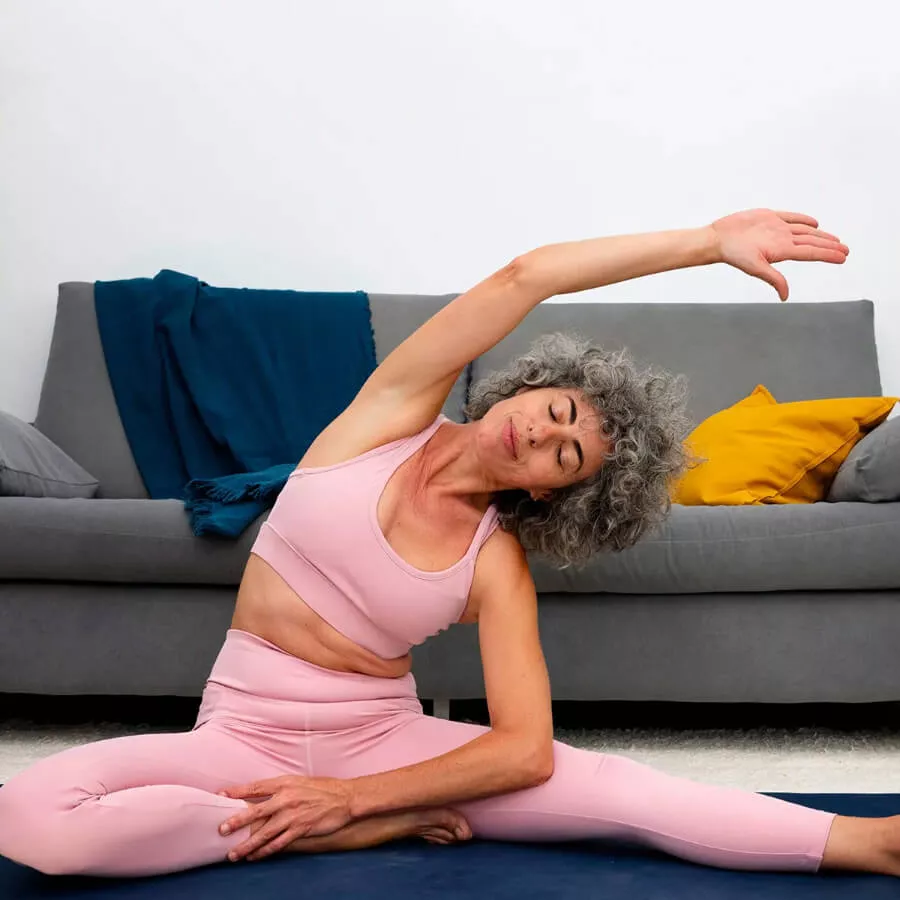
Make movement a non-negotiable part of your day. Avoid prolonged sitting or standing by setting an alarm to remind you to get up every 30 minutes. Even simple calf-pump exercises (rising onto your toes) while standing in line or washing dishes can have a positive impact on your circulation.
2. Optimize nutrition & hydration
Hydration keeps your blood flowing smoothly. Aim for plenty of water throughout the day. Nutrition-wise, focus on fiber and antioxidants (found in bright fruits and vegetables) that support strong, flexible vein walls and reduce inflammation. Limiting sodium helps minimize water retention and swelling.
3. Manage weight & reduce vascular load
Working toward a healthy weight is one of the most effective things you can do for your legs. When there is less pressure pushing down on the veins in your abdomen and legs, it's easier for the venous return system to function efficiently. This is an important long-term health goal that benefits your whole system.
4. Give your veins extra support
Give your legs a break. Practice leg elevation (propping your feet up above your heart) for 15 minutes a few times a day, especially after long periods on your feet. Wearing high-quality compression wear provides gentle external support for your veins, improving blood flow and reducing swelling throughout the day.

5. Include screening & professional follow-up
Just as you see a dentist or eye doctor annually, consider integrating a vein check-up into your routine. Early diagnosis of emerging vein issues, often confirmed with a painless ultrasound, allows for simple, minimally invasive vein treatments now rather than waiting until symptoms become chronic and more difficult to manage.
Key Items You Should Include in Your Vein-Health Care Plan

There’s no time like the present. Start incorporating these vein health action items into your wellness plan:
Proactive Health Check-ups
- Monthly check of vein-related symptoms (example: leg heaviness, swelling, or new visible veins)
- Annual wellness panel and a vein specialist consultation if symptoms exist
- Baseline vein screening/ultrasound if recommended by a specialist
Movement
- Set movement reminders (example: get up and walk every 30 minutes)
- Daily walking goal (example: 30 minutes or 5,000+ steps)
- Calf-pump exercise routine (example: 3 times a week) while watching TV or sitting
- Leg elevation (example: 15–20 minutes, 3–4 times a week)
Compression
- Use of compression stockings when sitting or standing for long periods
Nutrition & Hydration
- Nutrition goals (example: eat five servings of fruits and veggies daily, limit processed foods and sodium)
- Hydration goal (example: drink 64 ounces of water per day)
(For more details on setting specific goals, check out our recent post: Setting Achievable Vein Health Resolutions for 2026.)

Take Control of Your Vein Health
Good vein health isn't just cosmetic—it’s a key contributor to your comfort, mobility, skin quality, and overall wellness. By committing to just one of the habits above and integrating it this week, you're setting the stage for a healthier, more energetic you.
Ready to take the next step and give your hard-working legs the attention they deserve? We’re here to support you!
Schedule a free consultation with one of our board-certified vein specialists today and start building those powerful habits!
Frequently Asked Questions: Vein Health and Wellness
You can start feeling the benefits of lifestyle changes, like reduced leg heaviness and swelling from regular movement and elevation, within just a few days to a week.
Spider veins are primarily a cosmetic concern, but they can occasionally signal the early stages of underlying vein pressure, which is why a thorough screening is always a good idea.
Jobs that require prolonged sitting or standing significantly impact vein health by making it harder for blood to flow back to the heart, which you can counteract by taking frequent short walks and wearing compression stockings.
Absolutely! Improving your cardiovascular fitness through activities like walking or swimming strengthens the calf muscles, which are vital for pushing blood back up through the veins.
You should add vein-specific screening to your check-up if you experience persistent symptoms such as leg heaviness, swelling, or aching, or if you see new or worsening varicose or spider veins.
Yes, making positive lifestyle changes can help prevent or delay the development of varicose veins, even if you are genetically predisposed to them. Habits like regular walking, maintaining a healthy weight, and avoiding prolonged sitting or standing can take pressure off your vascular system. These proactive steps keep your vein valves functioning efficiently and stop mild issues from worsening.
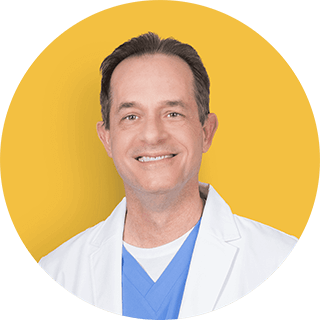
Dr. Philip LoPresti
Meet Dr. Philip LoPresti DO, DABVLM, FACS, a board-certified vein specialist and surgeon with over 20 years of experience. Schedule an appointment with him in Queens, NY today.
Meet Dr. Philip LoPresti
Trusted insight from the nationally accredited, board-certified vein doctors at Metro Vein Centers.